

Starting a new business is an exciting venture, but it comes with numerous challenges that go beyond the basic operations of selling products or services. New business owners must consider a wide range of factors to ensure that their company is not only profitable but also sustainable, compliant, and prepared for long-term growth. From managing operational systems and employee workflows to addressing environmental concerns and creating a strong brand presence, the initial setup phase is critical for establishing a solid foundation.
In this article, we will explore ten critical areas every new business should examine. From environmental risk assessment and inventory management to infrastructure maintenance, branding, and future planning, these elements cover both operational and strategic priorities. Each section highlights a key industry or service that helps businesses operate efficiently, remain compliant, and build a strong foundation for growth. Whether you are launching a small startup or expanding into new markets, understanding and addressing these ten areas will provide the knowledge and tools needed to set your business on a path to long-term success.
1. Understanding Environmental Risks
Every new business must consider its environmental impact, as sustainability and compliance are increasingly important to customers, regulators, and investors. Understanding potential environmental risks allows companies to operate responsibly, avoid legal complications, and minimize negative effects on the community. Proper assessment helps businesses identify areas where they may generate pollutants, handle chemicals, or produce waste that could impact surrounding ecosystems.
A ecotoxicology approach evaluates how substances, materials, or byproducts affect plants, animals, and humans in the local environment. By consulting specialists in this field, businesses can determine safe handling practices, implement preventative measures, and comply with environmental regulations. This assessment can range from analyzing chemical exposure in manufacturing processes to evaluating the effects of waste disposal practices.
Integrating environmental risk management into your business strategy enhances long-term sustainability. Companies that proactively address these concerns reduce the likelihood of fines, accidents, or public backlash. Additionally, prioritizing eco-friendly practices can improve reputation, attract environmentally-conscious clients, and position the business as a responsible industry leader.
2. Organizing Your Inventory Efficiently
Proper inventory management is essential for operational efficiency and cost control. Disorganized or inaccessible stock can lead to delays, errors, and lost revenue, while organized storage ensures that resources are available when needed. Efficient inventory systems also help monitor product movement, reduce waste, and optimize space utilization, which is critical for growing businesses.
Professional industrial storage warehousing solutions provide scalable options for businesses to store and manage inventory effectively. These facilities offer secure, climate-controlled spaces with organized shelving systems, inventory tracking technology, and logistical support. Whether handling raw materials or finished goods, businesses benefit from streamlined processes that reduce time spent locating products and minimize the risk of damage.
Beyond storage, effective inventory management enhances decision-making and customer satisfaction. Accurate tracking allows for better forecasting, reduces overstock or stockouts, and supports timely order fulfillment. Partnering with a reliable warehousing provider ensures that businesses can focus on growth and customer service while maintaining operational efficiency and resource control.
3. Maintaining Safe and Clean Surfaces
Clean, well-maintained facilities are crucial for workplace safety, employee morale, and professional image. Proper upkeep prevents hazards, protects equipment, and creates an environment that reflects the company’s commitment to quality. Beyond safety, aesthetic maintenance, including painting and surface treatment, contributes to the overall impression clients and partners form when visiting your premises.
Industrial painting services offer more than cosmetic enhancements—they protect structural surfaces, prevent corrosion, and maintain safety compliance. Experienced service providers use specialized coatings suitable for high-traffic areas, machinery, or storage facilities. By applying durable finishes, businesses can extend the lifespan of surfaces, maintain hygiene standards, and reduce long-term maintenance costs.
Regular facility maintenance also impacts productivity and cost efficiency. Well-protected surfaces reduce wear and tear on equipment, minimize disruptions caused by repairs, and foster a positive work environment. Investing in professional painting and surface maintenance is an integral step in establishing a safe, efficient, and visually appealing workspace for both employees and clients.
4. Keeping Electrical Systems Reliable
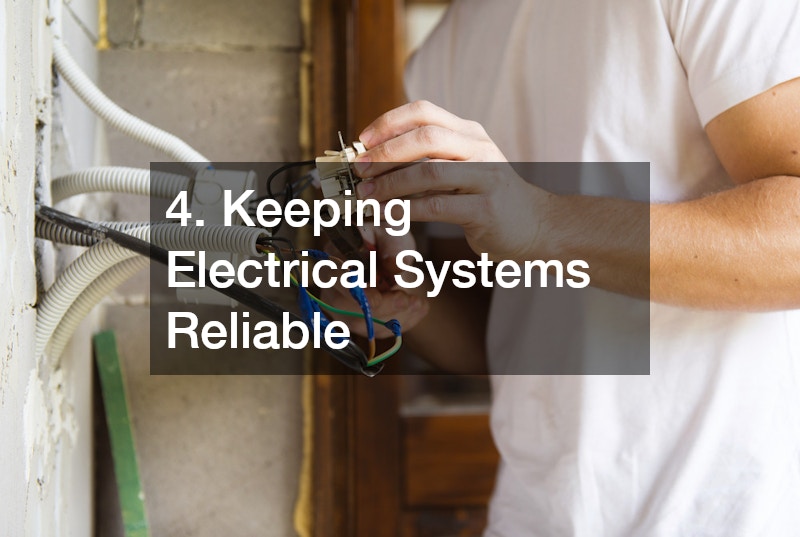
Reliable electrical systems are essential for uninterrupted operations, safety, and productivity. Power failures, faulty wiring, or outdated systems can halt business processes, damage equipment, and pose serious safety hazards. Ensuring electrical infrastructure is functioning properly is critical, particularly for businesses relying on machinery, lighting, and technology.
Professional electrical repair services provide inspection, maintenance, and emergency troubleshooting to prevent unexpected disruptions. Skilled electricians can address wiring issues, install circuit protection systems, and ensure compliance with safety codes. Businesses benefit from reduced downtime, safer work environments, and increased confidence that their electrical systems will perform under daily operational demands.
Proactive electrical maintenance also supports efficiency and long-term cost savings. Preventing issues before they escalate reduces repair costs, minimizes disruptions, and extends the lifespan of critical systems. Investing in reliable electrical service ensures that a business can operate smoothly, protect assets, and maintain a safe environment for employees and clients alike.
5. Ensuring Smooth Plumbing Operations
Effective plumbing is a cornerstone of any business facility, impacting hygiene, safety, and daily operations. Malfunctioning plumbing can disrupt production, create health hazards, and damage property, making preventive maintenance and prompt repairs essential. From restrooms to kitchens and industrial equipment, reliable plumbing systems keep a workplace functional and compliant with health standards.
Experienced commercial plumbing companies provide expertise in installation, maintenance, and emergency repair for businesses of all sizes. These professionals handle everything from pipe maintenance and leak detection to system upgrades and water flow optimization. Partnering with a skilled plumbing service ensures that businesses can address issues quickly, avoid costly downtime, and maintain sanitary conditions for staff and clients.
Beyond repairs, proactive plumbing management reduces long-term risks and operational costs. Well-maintained systems prevent water damage, reduce waste, and improve efficiency in daily operations. Businesses that invest in reliable commercial plumbing solutions create a safer, more efficient, and compliant environment, supporting smooth operations and overall productivity.
6. Managing Kitchen and Waste Systems
Proper management of kitchen and waste systems is essential for businesses that handle food preparation or operate facilities with significant wastewater output. Inefficient waste handling can lead to clogged drains, unpleasant odors, and potential health violations, which may disrupt operations and damage a company’s reputation. By implementing reliable waste management practices, businesses can maintain a clean, sanitary environment that supports smooth day-to-day operations and ensures regulatory compliance.
Professional solutions, such as grease traps, are critical for controlling fats, oils, and other substances before they enter sewer systems. Grease traps capture these materials, preventing costly clogs and protecting municipal infrastructure while keeping plumbing systems functional. Regular maintenance, inspection, and cleaning of these systems by experts ensure that facilities remain operational, reduce downtime, and avoid fines or penalties from local authorities.
Beyond immediate functionality, well-maintained kitchen and waste systems provide long-term operational benefits. Clean, efficient systems minimize the risk of equipment damage, reduce unpleasant odors, and improve overall workplace hygiene. By investing in proper waste management tools and professional maintenance, new businesses can establish reliable practices that support efficiency, protect assets, and create a safe environment for both staff and customers.
7. Simplifying Relocation Processes
Relocating a business can be a complex, time-consuming, and costly process if not handled efficiently. Whether moving to a larger space, upgrading facilities, or consolidating operations, the logistics involved require careful planning to minimize disruption, protect equipment, and maintain continuity for clients and employees. Successful relocation ensures that operations continue smoothly and that the business can quickly resume full functionality in its new location.
A professional business moving company specializes in handling the intricate details of corporate relocations. These experts provide equipment transport, furniture disassembly and assembly, packing, and logistical planning tailored to the unique needs of businesses. By leveraging their experience, companies can reduce the risk of damaged equipment, lost items, or operational downtime during the move, allowing employees to focus on maintaining productivity rather than managing the relocation.
Additionally, partnering with a business moving company can enhance long-term planning and efficiency. With proper coordination, relocation becomes a strategic opportunity to optimize office layouts, improve workflow, and implement organizational changes that support future growth. By relying on professional movers, businesses not only save time and money but also ensure a seamless transition that supports employee morale and operational continuity.
8. Creating a Strong Brand Presence

A strong brand presence is essential for attracting customers, establishing credibility, and differentiating a business from competitors. Visual identity plays a key role in communicating a company’s values, professionalism, and personality. Effective branding extends beyond marketing materials and logos to include the physical representation of the business, such as signage, storefronts, and internal wayfinding systems, which reinforce the brand in daily operations.
Professional Custom Business Signs help companies create a cohesive and memorable visual identity. From outdoor signage that draws attention to a storefront or industrial facility to interior graphics that guide employees and clients, customized signs enhance visibility and strengthen brand recognition. Well-designed signs reflect the business’s professionalism, values, and commitment to quality, leaving a lasting impression on visitors and customers.
Beyond aesthetics, custom signage supports practical functionality and operational efficiency. Signage can improve navigation, reduce confusion in large facilities, and promote safety by highlighting important areas or hazards. By investing in professional, high-quality signage, businesses ensure that their brand is consistently represented, creating a professional environment that supports growth, customer trust, and a strong market presence.
9. Planning for Future Growth
Sustainable growth requires strategic planning that balances current operations with long-term objectives. New businesses often focus on immediate operational needs, but anticipating future challenges and opportunities is crucial for scalability. Businesses that proactively plan for growth are better equipped to manage resources, expand operations, and adapt to market changes, ensuring long-term stability and competitiveness.
A professional foresight consultant provides expertise in identifying trends, risks, and opportunities that can impact a business’s trajectory. These specialists help companies evaluate potential scenarios, develop contingency plans, and make data-driven decisions to navigate uncertain markets. By leveraging foresight consulting, businesses can align resources, streamline operations, and prioritize initiatives that support sustainable growth and long-term success.
Integrating foresight planning into business operations enhances resilience and decision-making. Companies gain the ability to anticipate industry shifts, technological advancements, and evolving customer needs. By collaborating with a foresight consultant, new businesses create a structured framework for future expansion, allowing them to respond proactively to challenges while seizing opportunities for innovation, efficiency, and market leadership.
10. Maintaining Equipment and Vehicles
Operational efficiency often depends on the reliability of equipment, vehicles, and machinery used in daily business activities. Breakdowns, malfunctions, or poorly maintained vehicles can cause delays, increase costs, and reduce productivity. Proper maintenance ensures that all assets perform optimally, minimizing downtime and supporting consistent service delivery for customers and clients.
A skilled mechanic provides preventative maintenance, diagnostics, and repairs for both vehicles and essential machinery. Regular servicing identifies potential issues before they escalate, extends the lifespan of assets, and ensures that equipment meets safety and performance standards. Businesses that partner with professional mechanics benefit from reduced emergency repairs, increased reliability, and enhanced operational efficiency across all facets of their operations.
Beyond repair and maintenance, proactive equipment management supports long-term cost savings and operational stability. Well-maintained machinery and vehicles operate more efficiently, reduce energy consumption, and prevent unexpected interruptions. Investing in reliable mechanical services enables businesses to maintain continuity, protect valuable assets, and build a foundation for growth, ensuring that operational systems remain dependable as the company expands.
Starting a new business requires careful attention to both immediate operational needs and long-term strategic planning. From understanding environmental risks and organizing inventory to maintaining safe facilities, reliable utilities, and effective waste systems, every detail contributes to the overall efficiency, safety, and success of the company. Investing in professional services across these areas allows businesses to operate smoothly while reducing risks, protecting assets, and maintaining compliance with regulations.
Equally important is building a strong brand presence, planning for future growth, and ensuring the reliability of equipment and vehicles. Tools like custom signage, foresight consulting, and skilled mechanical services provide both practical solutions and strategic advantages that support scalability, operational continuity, and long-term competitiveness. Businesses that proactively address these areas can anticipate challenges, optimize workflows, and create a foundation for sustainable growth.